
Ten years after Fata merger, basic problems of settled system remain unresolved: Fazlur Rehman

ISLAMABAD: Jamiat Ulema-e-Islam-Fazl (JUI-F) chief Maulana Fazlur Rehman has said the tribal areas have long been treated as a laboratory. Almost ten years after the merger of Fata, the basic problems of the settled system there have not been resolved.
Difficulties related to the patwari system, property disputes, the police system and the administrative structure still exist today.
Addressing the Fata Digital Media Workers Convention, Maulana Fazlur Rehman thanked the organisers on behalf of the Jamiat Ulema-e-Islam for holding the convention and for the invitation. He said Pakistan and its land were a blessing from Almighty Allah. He said this trust required honest work for the protection, prosperity and development of the country.
The merger decision and the Jamiat’s stance
He said the Jamiat Ulema-e-Islam had a clear political stance on Fata, and still has. The party views the issue of the tribal areas not merely in terms of administrative decisions, but in the light of its political stance, constitutional rights and ground realities.
Maulana Fazlur Rehman said that when the Jamiat Ulema-e-Islam took a stand against the Fata merger, the party was met with criticism and allegations instead of reasoned answers. He asked at whose bidding, and at the behest of which major power, the decision to merge Fata was taken. He also asked whose interests were behind the talk of bringing the tribal areas under the federation again. In his words, subjecting the nation’s future decisions to the interests of others is a slavish mentality.
The Jamiat chief said that after statements by government figures calling the merger decision wrong, the matter needed more serious debate. According to him, the Jamiat Ulema-e-Islam’s position was that conditions in the tribal areas were not suitable for a merger at that time.
Administrative problems and demands
Maulana Fazlur Rehman said that almost ten years after the merger, difficulties in establishing the settled system remain. The patwari system has not been fully set up. Disputes over the ownership and division of old properties are unresolved. There are also problems in making the police system effective.
He said the Fata issue was not only political but also linked to constitutional, administrative and economic rights. A clear and comprehensive policy was essential to protect the resources, economy and rights of the people of the tribal areas. He said that even before governor’s rule and emergency, he had been expressing concerns about conditions in the tribal areas and the future of their people.
He said differences of opinion should be answered with reason, not with character assassination and accusations. He said no decision on the future of the tribal areas should be made under outside pressure or in the interests of powerful circles. It should be based on public consultation, reason and the protection of rights. He said the Jamiat Ulema-e-Islam would continue to play its role in protecting the political, constitutional and economic rights of the tribal people.
More from Pakistan
Ishaq Dar vows to strengthen Pakistan-China ties further at Islamabad symposium
Raja Pervaiz Ashraf urges PTI to play full role in parliament
Senate passes motion to form parliamentary committee on electoral reforms

Bilawal backs 27th Amendment in National Assembly, vows to protect provincial rights

Jinnah Medical Complex 59 per cent complete, PM orders targets met on time
Small business lending is government’s top priority, says PM Shehbaz Sharif
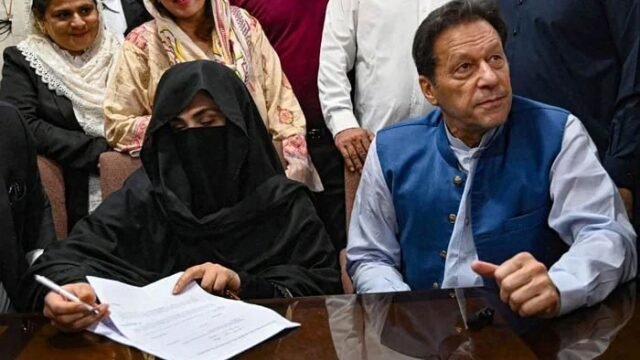
Barrister Salman Safdar meets Imran Khan and Bushra Bibi in Adiala Jail for 40 minutes

Trump administration asks Supreme Court to halt count of over 20,000 California mail ballots

PTI political committee says no factions in party, objects to arrests and raids

Chinese party minister Liu Haixing meets PM Shehbaz Sharif and Field Marshal Munir

Real issue in tribal areas is minerals, not the constitution: Fazl
