Nepra approves $47bn power expansion plan, rejects $900m battery storage project
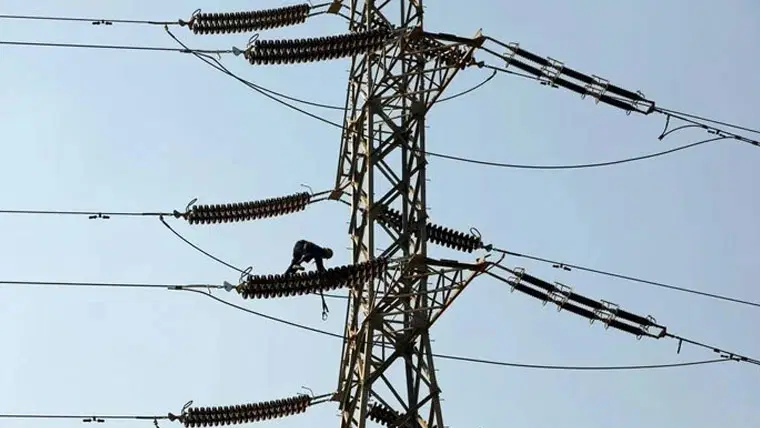
Nepra approved the Integrated System Plan 2025-35 presented by the Independent System and Market Operator (ISMO). It rejected the $900 million Battery Energy Storage System (BESS) investment as unnecessary.
Nepra also disclosed that the cheapest renewable electricity Pakistan has ever had was left out of national planning for more than a year, despite repeated warnings from the regulator.
According to the plan, the country’s peak electricity demand is expected to rise from 26,950 megawatts in 2025 to 35,521 megawatts in 2035. Meeting this demand will require a total of 26,045 megawatts of new generation capacity. This includes 17,485 megawatts of projects already committed and 8,560 megawatts of newly proposed capacity under the optimised plan.
During this period, 2,577 megawatts of generation capacity is estimated to be retired. The expected cost of these generation projects is $47.13 billion. A further $10.65 billion will be needed to upgrade the transmission system.
Nepra refused to approve the proposed battery energy storage system. It said its cost had not actually been included in ISMO’s optimisation model and tested. Nepra directed that a full technical study be carried out on the project, after which it could be reconsidered.
Nepra also did not endorse the proposal to complete the NGC-KEL interconnection transmission line for K-Electric in 2028. According to the regulator, this timeline is not realistic, as building the line takes about five years.
The plan has been prepared by ISMO, the body that operates and manages Pakistan’s power system. The Integrated System Plan has two main parts. One concerns the construction of new power plants in the country. The other concerns new transmission lines to carry electricity.
Nepra directed ISMO to remove several shortcomings before preparing the next plan. These include explaining the data more clearly and resolving discrepancies in the projections on electricity tariffs.
A notable aspect of the decision is that Nepra members were not fully of one opinion. Each member wrote a separate note setting out his or her reservations.
Nepra member Maqsood Anwar Khan objected to the removal of some hydropower projects from the plan. They include the Gabral-Kalam, Madyan, Kalam-Asrit and Asrit-Kedam projects. These projects had earlier been declared approved and secured.
Maqsood Anwar Khan said these projects were quietly dropped from the plan without any clear or legal justification. He said this could discourage investors who had invested on the basis of earlier assurances.
Various stakeholders, including planners, business organisations and provincial governments, also expressed concern. They said Pakistan already has 15 to 20 gigawatts of surplus generation capacity, while existing power plants are running at only about 45 per cent capacity.
Stakeholders warned that further investment could increase circular debt and capacity payments. Electricity consumers would ultimately have to bear this burden through their bills.
The sharpest criticism from within Nepra came from member Amina Ahmed. In her dissenting note, she said K-Electric secured tariffs of as low as 3.09 US cents per kilowatt-hour in a renewable energy auction in late 2024. This is the lowest tariff in Pakistan so far.
According to her, ISMO did not include these projects, of about 640 megawatts, in its plans for more than a year. This was despite Nepra raising the matter several times, including in a request in March 2026.
Amina Ahmed disclosed that ISMO had used incorrect data in its model. After the data was corrected in July 2026, it emerged that including the cheaper electricity reduced the system’s cost rather than increasing it.
According to her, this situation significantly affects Nepra’s confidence in ISMO’s optimisation process.
Nepra Chairman Waseem Mukhtar supported the final decision. However, he pointed to a major problem. He said Pakistan is paying for more generation capacity than it needs, which is making electricity bills steadily more expensive.
He said daytime demand from the national grid has already fallen to about 12,000 megawatts. More and more people are using solar panels and other alternative sources instead of relying on the national grid.
More from Pakistan
PM directs inclusion of opposition in electoral reforms committee
PM approves expansion of Lahore and Karachi airports, orders better passenger facilities
Bilawal asks interior minister to brief National Assembly as Pakistan faces difficulties
Arrest of women raising bitterness and tension, says Barrister Gohar
Senate passes resolution to tackle rapid population growth
Price stability in domestic markets top priority, says Ishaq Dar
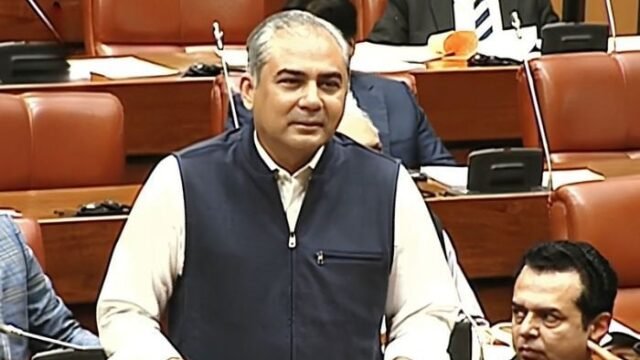
Heated exchange in Senate between Mohsin Naqvi, Kamran Murtaza and Abid Sher Ali
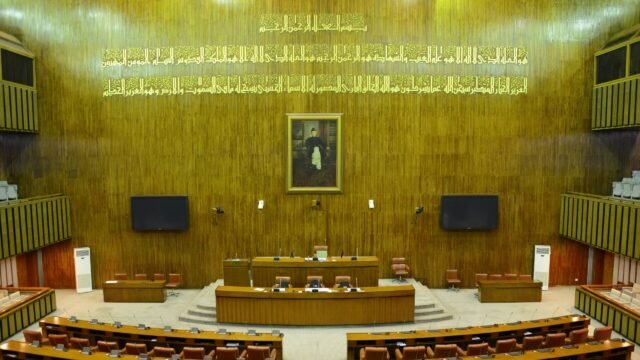
Barrister Aqeel Malik tables resolution in Senate for parliamentary committee on election reforms
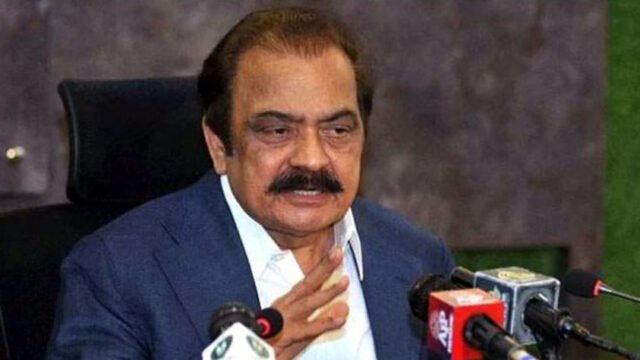
Rana Sanaullah says PTI founder’s sisters wanted chaos and march on Islamabad
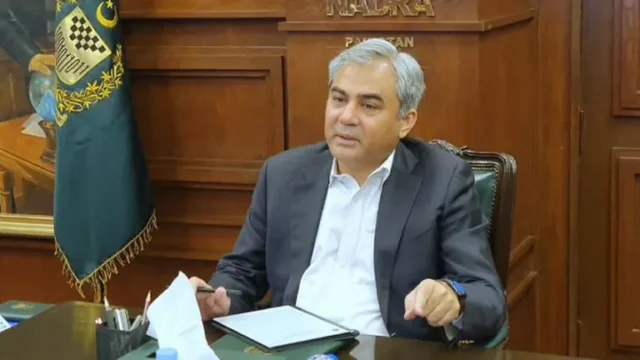
Mohsin Naqvi tells Senate JUI-F sought governor’s rule in Khyber Pakhtunkhwa
Pakistan-Türkiye ties grew stronger in testing times, says PM Shehbaz Sharif