
Brent crude tops $116, highest since April, on fears of fresh Iran strikes
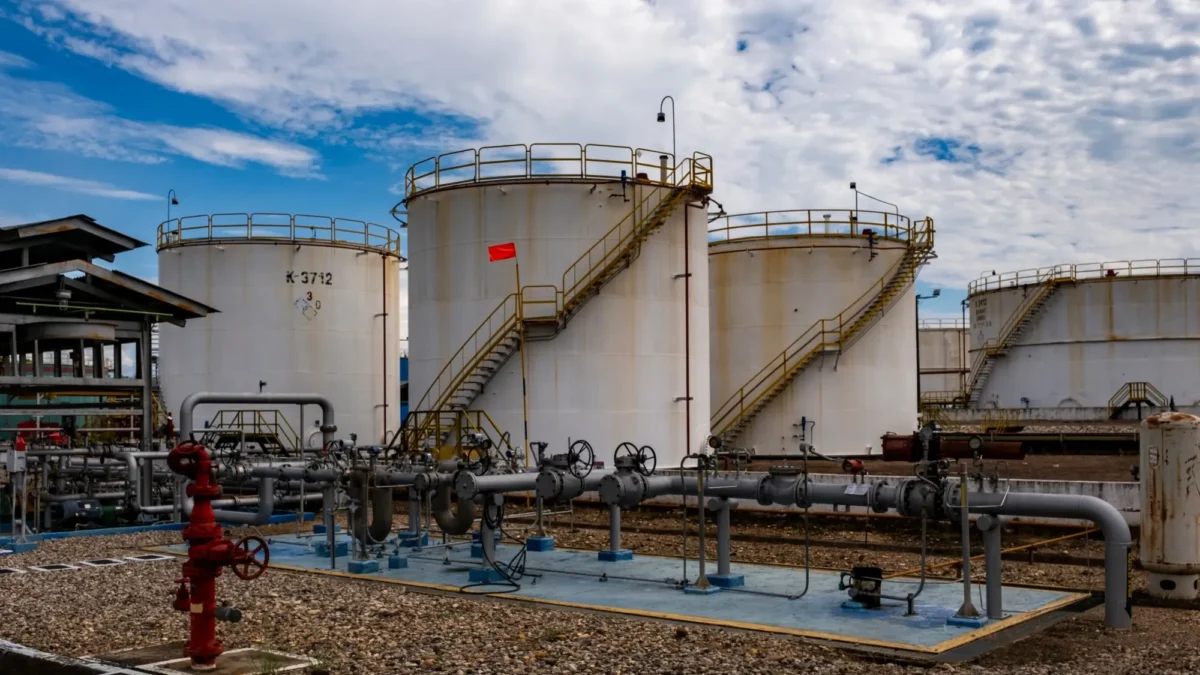
NEW YORK: Crude oil became more expensive on the global market because of the continuing conflict in the Middle East. On Friday, Brent crude reached its highest level since the end of April. According to AFP, the December delivery Brent contract rose more than 3 percent to $116.72 a barrel. West Texas Intermediate, the US benchmark, rose 3.8 percent to $103.27 a barrel.
According to The Guardian, Brent rose above $117 at one point during the day and then eased somewhat. Before the Iran war began in February, it was priced at about $72. By the end of April, it had touched $126.
The main reason for the rise is said to be a threat from Iran. According to The Guardian, Tehran has said that if there is a new US-Israeli attack, it will target oil installations in the Gulf, undersea cables, data centres and AI facilities. According to Richard Hunter of the brokerage Interactive Investor, there are widespread reports that the United States is considering fresh military strikes on Iran after the midterm elections, rather than taking the diplomatic route. Susannah Streeter of Wealth Club said fears of attacks on Iran’s energy infrastructure are growing ahead of the US elections on 3 November.
This week, Iran’s Revolutionary Guards claimed on Wednesday to have targeted four commercial ships in the Strait of Hormuz. The US State Department ordered family members of some diplomats and government employees to leave Saudi Arabia, which faces continuing attacks by Yemen’s Houthi rebels. According to Streeter, Ukraine’s bombing of Russian diesel refineries is also adding to supply fears.
According to Danni Hewson of AJ Bell, tension in Ukraine and rising energy demand because of winter in the northern hemisphere are also putting pressure on prices. Fears remain that costly oil will push up inflation and interest rates. On Wall Street, the Dow closed 1.2 percent lower and the Nasdaq 0.2 percent lower. In Europe, Kering fell about 16 percent, while Volvo Cars fell more than 24 percent after announcing a third-quarter loss and the cutting of 2,000 jobs. Attention will be on next week’s interest rate meetings of the US Federal Reserve and the European Central Bank.
More from Business

Medicine exports fall 30pc to three-year low

Aurangzeb directs faster easy loans for SMEs and farmers

D-8 aims for $500 billion in intra-member trade by 2030, Commerce Minister says in Doha

Power sector circular debt falls from Rs2,400 billion to Rs1,680 billion: Awais Leghari

Committee approves review of currency transaction report threshold to curb money laundering

Hilton misses revenue estimates, warns of Middle East impact

HSBC third-quarter revenue misses forecasts, shares fall as bank announces $1bn buyback

China’s industrial profits rise 14.4pc in September as economy splits

Petroleum minister meets US chargé d’affaires, agrees to expand energy cooperation

IMF voices concern over delayed reforms, presses for tax on agricultural income

Tax exemptions worth over Rs11,000 billion given in five years, NA told
