KATI delegation led by Sheikh Umar Rehan meets FBR chairman
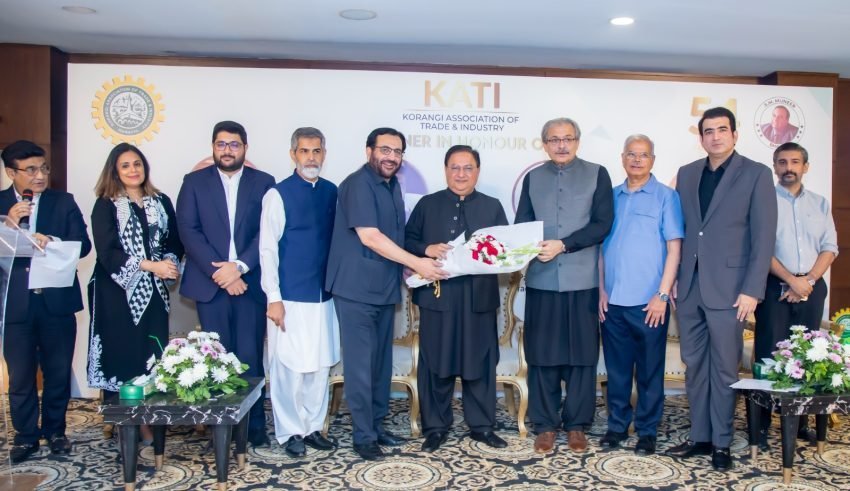
KARACHI: A delegation led by Korangi Association of Trade and Industry (KATI) President Sheikh Umar Rehan met Federal Board of Revenue (FBR) Chairman Rashid Mahmood Langrial. The meeting discussed the promotion of exports, digitisation of the tax system, digital invoicing, the prevention of smuggling and problems faced by various industrial sectors.
The delegation included Senior Vice President Farrukh Kandhari, Vice President Nasir Sheikh, Kite Limited Chairman Zahid Saeed, CEO Saleemuz Zaman, former KATI presidents Masood Naqi, Tariq Malik, Ehtisham Uddin and Rashid Ahmed Siddiqui, Pakistan Vanaspati Manufacturers Association (PVMA) Chairman Naveed Ahmed, Rasheed Jan Muhammad, Afif Rashid, Member Inland Revenue Operations Zubair Bilal and Member Customs Operations Wajid Ali, among other representatives.
FBR chairman’s position
Rashid Mahmood Langrial said exporters should increase the access of Pakistani products to global markets and make full use of available resources to raise the country’s exports. The FBR will soon hold meetings with major exporters. Their problems and the obstacles in the way of exports will be reviewed and the necessary steps taken.
He said steps were being taken to digitise the tax system and bring non-filers into the tax net through automated procedures. WhatsApp groups would be formed to make communication between the FBR and the business community effective, so that industrialists could convey their problems and suggestions to the officials concerned in time.
The FBR chairman described the prevention of smuggling and illegal trade as important for protecting local industry and promoting lawful business. He listened to the delegation’s concerns and assured them that steps would be taken to resolve them. He directed Member Inland Revenue Operations Zubair Bilal to meet ghee and oil industrialists, including KATI, review their problems and take the necessary steps to resolve them.
KATI president’s demands
Sheikh Umar Rehan said digitisation of the tax system was an important need of the time. However, he said, the practical difficulties faced by industries in implementing digital invoicing must be removed. He said the government should provide proper guidance and technical support to businesses and ensure effective coordination to resolve problems, so that industrial and commercial activity is not affected while transparency is brought to the tax system.
The KATI president said that, to widen the tax net, all individuals and businesses obliged to pay tax should be brought into the system. He said that instead of confining the tax burden to those already paying tax, the sectors that do not pay tax should be identified and tax laws applied equally to all such groups.
Sheikh Umar Rehan said that making tax procedures simple and transparent would help reduce the cost of doing business and encourage investment. He also highlighted the problems relating to taxes and duties faced by the ghee and oil industry, including in the Korangi Industrial Zone.
The KATI president called for a review of unnecessary SROs and complicated regulatory requirements. He said rules and regulations that obstruct business activity and raise the cost of production should be made simple and workable, so that local industry becomes more competitive and Pakistani products are promoted in domestic and international markets.
Problems of the textile and pharmaceutical sectors were also presented at the meeting. Sheikh Umar Rehan said that direct consultation between industrialists and the FBR could remove obstacles to the implementation of tax policies. He said timely action on the business community’s concerns would build trust between government institutions and industrialists and promote industry, trade and exports.
Zahid Saeed, Masood Naqi, Ehtisham Uddin, Rashid Siddiqui and others also spoke about the problems faced by the pharmaceutical, textile, packaging, plastic and other industries.
More from Business

FBR misses October tax target by Rs156 billion
Binance loses $6.3 billion in crypto theft; North Korean hackers suspected

Gold falls by Rs10,800 in a day to Rs409,736 per tola
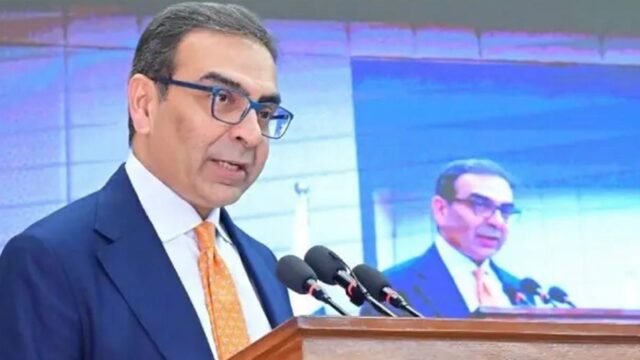
Power distribution privatisation now a national security issue: Mohammad Ali

Immediate cut in petroleum levy ruled out; phased reduction in next budget under review
Ogra notifies RLNG price rise of up to 15.3pc for October

Brent crude rises to $118 a barrel, highest in six months

Diesel up Rs2.29 to Rs402.96 a litre, petrol unchanged at Rs377.91
Brent crude tops $116, highest since April, on fears of fresh Iran strikes

Medicine exports fall 30pc to three-year low

Aurangzeb directs faster easy loans for SMEs and farmers