
Power distribution privatisation now a national security issue: Mohammad Ali
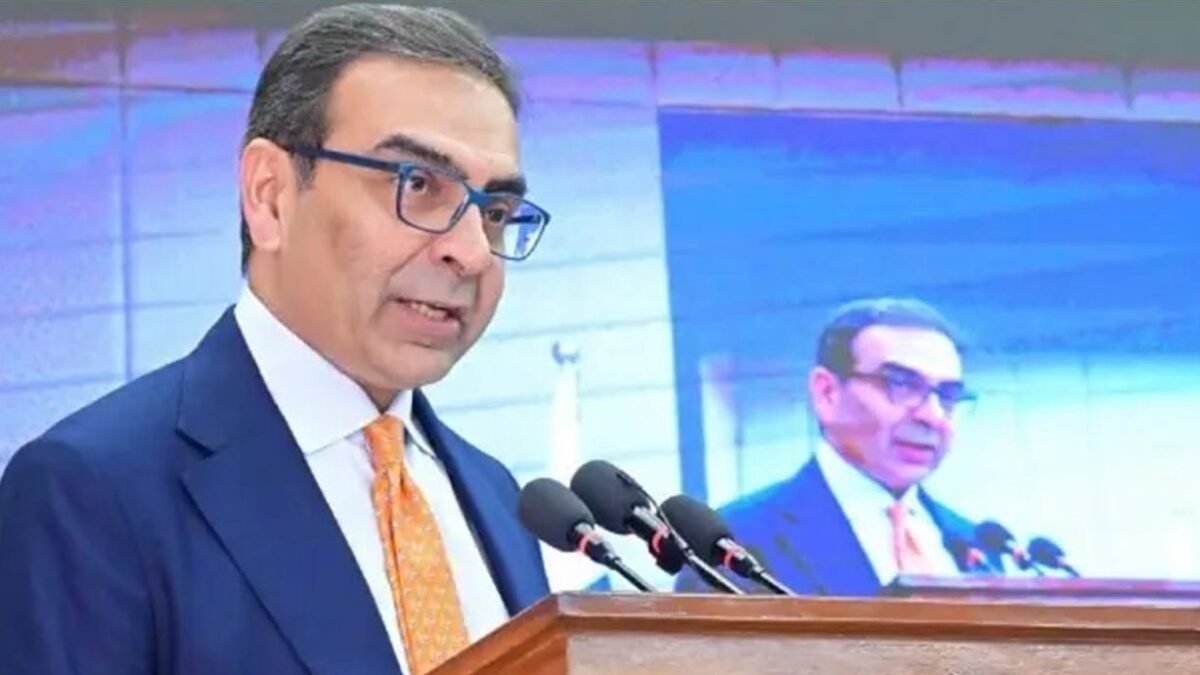
ISLAMABAD: Adviser to the Prime Minister on Privatisation and Privatisation Commission Chairman Mohammad Ali has said that failing to resolve the problems of the energy and power sector has now become a national security issue.
He said the main purpose of privatising the power distribution companies (Discos) is not merely to sell state-owned entities. It is to bring basic reforms to the power sector, set up a competitive system and cut electricity prices for consumers.
In an interview, he said work is under way in the first phase on privatising the Discos of Islamabad, Faisalabad and Gujranwala. Detailed scrutiny (due diligence) of these companies has begun.
The bidding process may be delayed because investors have asked for more time. However, the aim is to complete the privatisation of these three companies in the first quarter of next year.
Work has also begun on the Hyderabad and Sukkur Discos, while progress is being made on the Lahore, Multan, Peshawar and Hazara companies.
Under the plan, progress is expected on Hyderabad and Sukkur in the second quarter of 2027 and on the other companies in the second half of the year.
Energy prices and exports
Mohammad Ali said Pakistan’s exports have stayed at around $30 billion for a long time, largely because of higher production costs. Unless energy prices fall, Pakistani industries will not be able to compete effectively in the global market.
He said that without reforms in the power sector, consumers could stop buying electricity from the national grid, as people are moving to cheaper alternatives, especially solar and battery storage.
Investors’ concerns and guarantees
The Privatisation Commission chairman said investors have concerns based on past experience, especially over matters relating to K-Electric’s tariff. Investors want clear guarantees on long-term tariff policy, rules and regulations, and protection of their investment.
The government is trying to approve investment plans and a multi-year tariff before privatising the Discos, so that the risk of policy discontinuity in future is reduced.
He said the government has prepared a reform document. It contains proposals on setting electricity rates, the business structure of the Discos, the powers of investors and the creation of a competitive power market.
Consultations on the document are continuing with the relevant government bodies and investors. After review by the steering committee formed by the Prime Minister, it is intended to put the document before the public for consultation.
According to Mohammad Ali, the government wants to introduce a competitive system in which consumers can choose among different electricity suppliers. Under this system, a proposal is under consideration to limit a uniform tariff to the supplier of last resort.
He said investors will be given returns in Pakistani rupees, but these will be set keeping in view inflation, risks and the nature of the investment.
A proposal to give investors incentives for improving performance, reducing power losses and increasing bill recovery is also under consideration. Consumers should also share in the resulting benefits.
Protection of employees
He made it clear that, after privatisation, protecting the interests of current employees will be a government priority. It is proposed to guarantee that employees will not be laid off and their terms of service will not be changed during a specified transition period. Agreements with investors will also be made on this.
Power generation capacity and gas companies
Mohammad Ali said the power sector has a generation capacity of about 40,000 megawatts, while around Rs1,700 billion is being paid as capacity payments. The government will also have to find a suitable solution to existing generation contracts and capacity payment obligations.
He said the government is also examining the possibility of privatising State Oil and Sui Southern and Sui Northern Gas companies. A proposal is also being considered to keep some strategic areas of PSO with the government and hand non-strategic activities, such as petrol pumps, to the private sector.
More from Business

New pricing formula for refineries may cut petroleum levy by Rs10-15 a litre
Retailers’ tax scheme fails; action planned against non-filers

FBR misses October tax target by Rs156 billion
Binance loses $6.3 billion in crypto theft; North Korean hackers suspected

Gold falls by Rs10,800 in a day to Rs409,736 per tola

Immediate cut in petroleum levy ruled out; phased reduction in next budget under review
Ogra notifies RLNG price rise of up to 15.3pc for October

Brent crude rises to $118 a barrel, highest in six months

Diesel up Rs2.29 to Rs402.96 a litre, petrol unchanged at Rs377.91
Brent crude tops $116, highest since April, on fears of fresh Iran strikes

Medicine exports fall 30pc to three-year low
