
World Translation Day: role of translation in transfer of knowledge and culture

Translation is not merely the transfer of words from one language into another. It is an important means of carrying knowledge, thought, culture, literature and experience from one society to another. Throughout human history, translation has played a fundamental role in the spread of knowledge and in contact between civilisations.
A means of transferring knowledge
The existence of different languages in the world has added variety to human civilisation. However, differences of language could also become a barrier to the exchange of knowledge. Translation has removed this barrier to a great extent. Knowledge produced in one language reached speakers of another language through translation, and so knowledge did not remain confined to one region or nation. Since ancient times, translations of books on philosophy, medicine, mathematics, astronomy, geography and other sciences have played an important part in the development of human knowledge.
The scholarly and translation work of the Abbasid era in Islamic history is a leading example. Knowledge from Greek, Persian and other languages was translated into Arabic. This scholarly activity played an important role in the intellectual and scientific development of Muslims. Later, the same body of knowledge reached Europe by different routes. The same principle holds today. Scientific research, a new discovery, a literary work or an intellectual debate in any part of the world has greater effect at the global level when it is rendered into other languages.
More from Pakistan

ATC reserves verdict in barrier removal case against Imaan Mazari, Hadi Chattha

US plans deportation flight to Pakistan for detained Afghans, including relatives of allies

National Assembly passes Frontier Constabulary restructuring and other bills
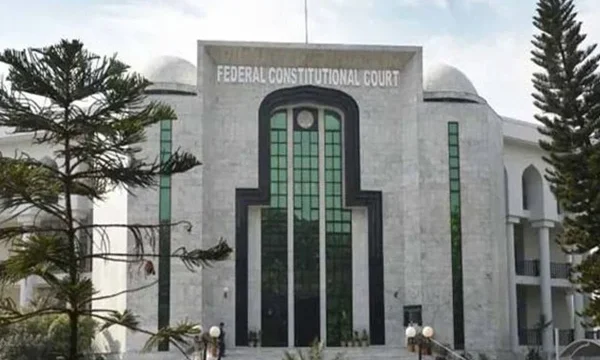
GHQ attack case: court upholds order removing Tahir Sadiq’s name from ECL

Kashmir Black Day: Zardari, Shehbaz urge world to act on rights in occupied Kashmir

Mecca defence pact delegation meets Iran’s leaders in Tehran, agrees to continue talks

Pakistan will defend Saudi Arabia with full force, says Khawaja Asif

Pakistan rejects Taliban claims of civilian deaths; UN figures differ

Sohail Afridi was, is and will remain chief minister, says Barrister Gohar

Pakistan will succeed in US-Iran mediation efforts, says Yousuf Raza Gilani

Barrister Gohar rejects governor’s rule in Khyber Pakhtunkhwa, alleges political revenge
