
Moon shrinking, over 10,000 new cracks found on surface, study warns of moonquakes
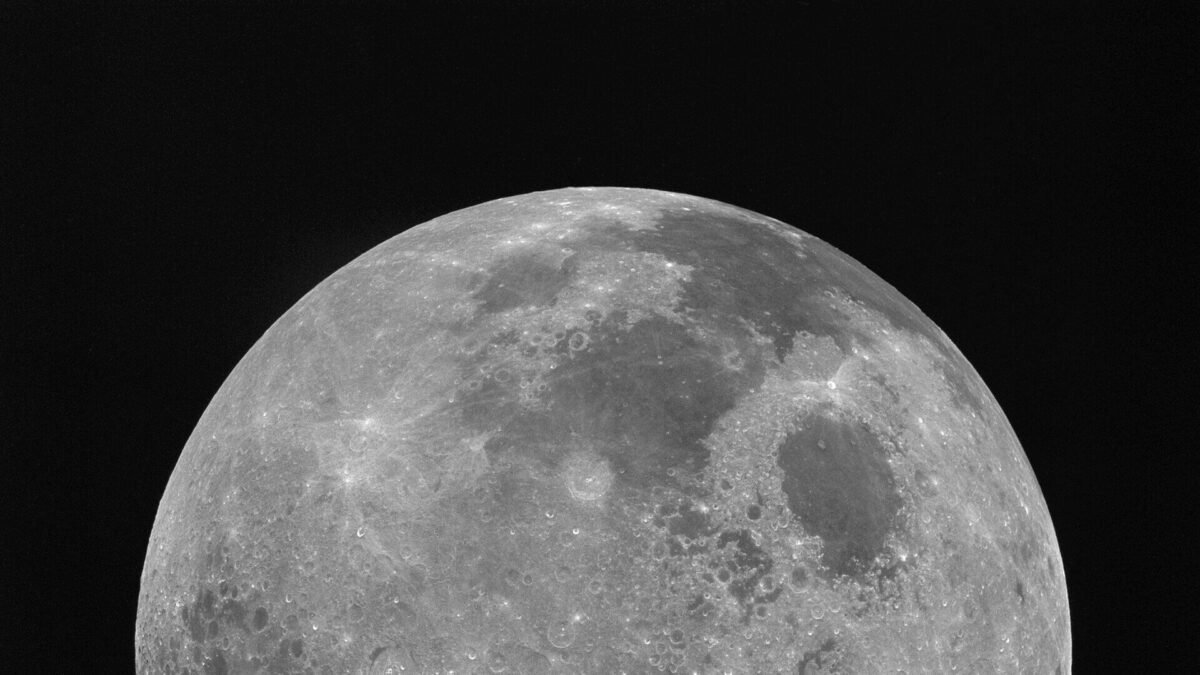
NEW YORK: The Moon is steadily shrinking, and more than 10,000 new cracks have been found on its surface, raising concerns about the safety of future space missions to the Moon.
According to a report by foreign media, a study published on 14 October in a planetary science journal said the Moon’s radius has shrunk by about 45 metres over the past 400 million years.
How the study was carried out
The study was led by Thomas R. Waters, a scientist at the US Smithsonian Institution. It analysed images taken by the camera of a spacecraft orbiting the Moon. The scientists studied the Moon’s structure and the changes taking place in it by examining millions of images collected over 17 years.
According to the study, the Moon’s volume is steadily decreasing because its internal heat is falling. At the current rate, its radius could shrink by a further 6 to 11 centimetres every million years.
Fear of moonquakes
The study said the shrinking has produced wrinkles and cracks on the Moon’s outer surface, creating small rocky slopes. This process could also cause moonquakes at thousands of places on the surface.
According to the scientists, about 90 per cent of earthquakes on Earth occur near the boundaries of tectonic plates, while the Moon consists of a single large plate. For this reason, cracks caused by shrinking there can cause movement and quakes at any location.
Experts say the situation is important for planning a human presence on the Moon and NASA’s Artemis missions, as moonquakes and changes to the surface will have to be taken into account during space missions.
According to the scientists, the Moon was formed billions of years ago when a large celestial body collided with Earth. The hot debris scattered into space by the collision gathered together and took the shape of the Moon.
More from Technology

OpenAI plans humanoid robots; building robot’s brain biggest challenge, says Sam Altman

SECP sets up Security Operations Centre for cyber security, inaugurated by NADRA chairman

China-funded $12.9m geodetic survey system: duty exemption on ninth batch of equipment under consideration

Foodpanda introduces telematics-based safety system for delivery riders

China claims first satellite internet link across Arctic, Antarctica and Qinghai-Tibet Plateau

Elon Musk says he will give every US child a share of SpaceX

Scientists find green star that changes colour, Warwick University study says

Japan set to launch mission to bring back samples from Mars moon Phobos

Elon Musk predicts Tesla Roadster could fly over Grand Canyon or Snake River

TikTok permanently suspends advertising account for Elon Musk documentary

Ambassador Rizwan Saeed Sheikh addresses Pak-US Tech Connect 2026, stresses IT cooperation
