
Altaf Hussain Hali: the poet of the Musaddas
After 1857, a generation of Muslims asked how they had fallen so far. Hali gave the question its voice in poetry, and Sir Syed prized his Musaddas.
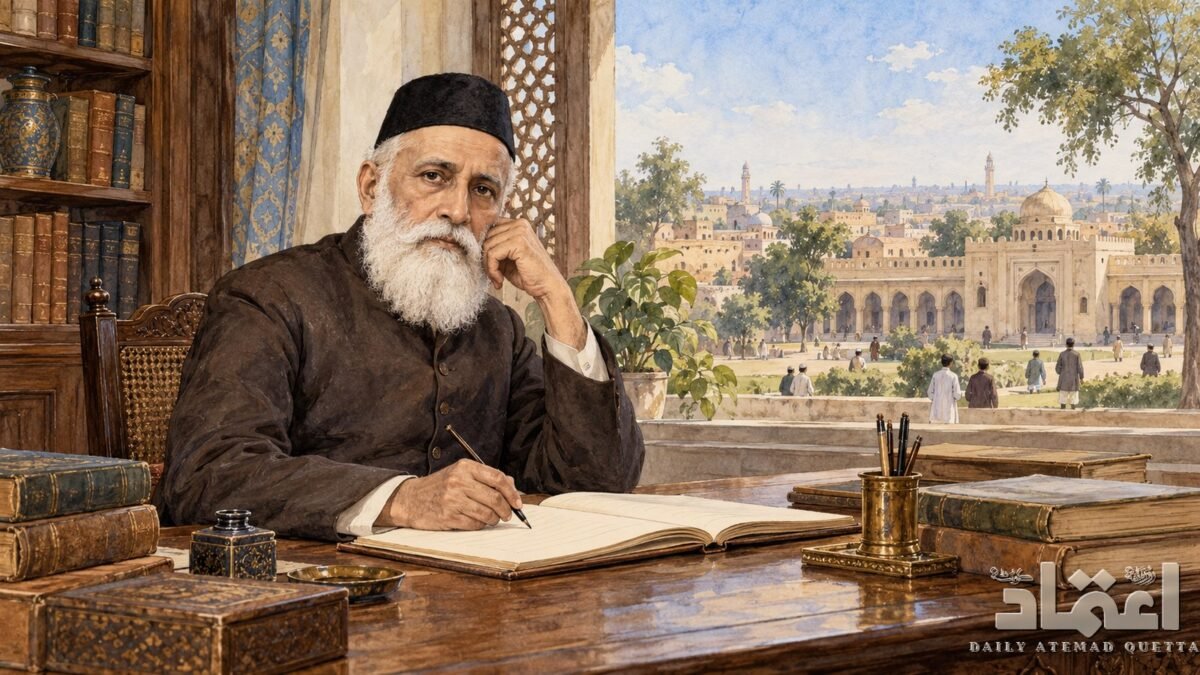
In India after 1857, a whole generation of Muslims was asking how they had come to this. Sir Syed Ahmad Khan looked for the answer in education and reform. Among his companions was a poet who gave the question the language of verse. When Khwaja Altaf Hussain Hali’s “Musaddas” was published in 1879, Sir Syed said that when God asked what he had brought from the world, he would say he had brought the Musaddas, having got Hali to write it. Hali was a pupil of Ghalib, the founder of Urdu criticism, and the founder of the poetry later called “national” or “purposeful” poetry.
Life and times
Altaf Hussain was born in Panipat in 1837. He lost his father at the age of nine, and his elder brother brought him up. His early schooling was the traditional one in the Quran, Persian and Arabic. He was married at 17, but his thirst for learning was such that he went to Delhi without telling his family. He studied Arabic and logic there for a year and a half, until his family found him and took him back. It was in this Delhi that he first saw Ghalib.
After 1857, he spent several years at Jahangirabad as tutor to the children of Nawab Mustafa Khan Shefta. Shefta was himself a poet of taste and a close friend of Ghalib. Hali wrote that Shefta’s company played a large part in his literary training. In this period he became Ghalib’s pupil, though he took little correction from Ghalib and listened to him more.
After Shefta’s death, Hali went to Lahore around 1870. There he found work at the Government Book Depot, correcting the language of translations. These four years in Lahore were to change the direction of his poetry. At the mushairas of the Anjuman-e-Punjab, held at the urging of Colonel Holroyd and Muhammad Hussain Azad, poets were invited to compose a poem on a single subject instead of a ghazal. Hali wrote poems such as “Barkha Rut”, “Nishat-e-Umeed”, “Hubb-e-Watan” and “Munazara-e-Rahm o Insaf” for these mushairas.
In 1874 he returned to Delhi as a teacher of Arabic at the Anglo-Arabic School. He later retired on a pension and moved to Panipat. At Sir Syed’s urging he wrote “Musaddas-e-Madd o Jazr-e-Islam”, which was published in 1879. His major prose works followed: “Hayat-e-Saadi” (1884), “Muqaddama-e-Sher o Shayari” (1893), “Yadgar-e-Ghalib” (1897) and the biography of Sir Syed, “Hayat-e-Javed” (1901). In 1904 the government conferred on him the title of Shams-ul-Ulama. He died in Panipat on 31 December 1914.
Style
Hali’s poetry falls into two parts. The first is the ghazal of the time of Ghalib and Shefta, in which he is a good ghazal poet of his age:
ہے جستجو کہ خوب سے ہے خوب تر کہاںاب ٹھہرتی ہے دیکھیے جا کر نظر کہاں
The second and larger part is the poetry in which the poet becomes the teacher and reformer of his people. In “Muqaddama-e-Sher o Shayari” he said that poetry should rest on truth, simplicity and passion, and he sharply criticised the worn-out tradition of the ghazal. His language is simple, clear and close to prose. He regards verse as a means of conveying a message:
فرشتے سے بڑھ کر ہے انسان بننامگر اس میں لگتی ہے محنت زیادہ
Hali’s tone is not one of mourning but of thought. He does not weep over his people. He holds up a mirror to them. No one before him in Urdu poetry had done this on such a scale.
Selected verse
پستی کا کوئی حد سے گزرنا دیکھےاسلام کا گر کر نہ ابھرنا دیکھےمانے نہ کبھی کہ مد ہے ہر جزر کے بعددریا کا ہمارے جو اترنا دیکھے
وہ دینِ حجازی کا بے باک بیڑانشاں جس کا اقصائے عالم میں پہنچامژاحم ہوا کوئی خطرہ نہ جس کانہ عماں میں ٹھٹکا نہ قلزم میں جھجکاکیے پے سپر جس نے ساتوں سمندروہ ڈوبا دہانے میں گنگا کے آ کر
یہ پہلا سبق تھا کتابِ ہدیٰ کاکہ ہے ساری مخلوق کنبہ خدا کاوہی دوست ہے خالقِ دو سرا کاخلائق سے ہے جس کو رشتہ ولا کایہی ہے عبادت یہی دین و ایماںکہ کام آئے دنیا میں انساں کے انساں
اے ماؤں بہنو بیٹیو دنیا کی زینت تم سے ہےملکوں کی بستی ہو تمہی قوموں کی عزت تم سے ہے
بلبلِ ہند مر گیا ہیہاتجس کی تھی بات بات میں اک بات
حالی نشاطِ نغمہ و مے ڈھونڈتے ہو ابآئے ہو وقتِ صبح رہے رات کے ہو تم
خشک سیروں تنِ شاعر میں لہو ہوتا ہےتب نظر آتی ہے اک مصرعِ تر کی صورت
Explanation of the verses
“Pasti ka koi hadd se guzarna dekhe…” The quatrain at the opening of the Musaddas. In the sea, every ebb is followed by a flow. But whoever sees the ebb of our people would refuse to believe that any flow could follow it.
“Woh deen-e-Hijazi ka bebaak beda…” The fleet that set out from Arabia and crossed the seven seas sank on reaching India, in the mouth of the Ganges. This is the most famous stanza of the Musaddas, in which the whole of history is gathered into a single picture.
“Yeh pehla sabaq tha kitab-e-huda ka…” All creation is the family of God, and worship means that one human being should be of use to another. This stanza is still quoted again and again in speeches and writings.
“Ae maaon behno betiyo duniya ki zeenat tum se hai…” From the poem “Chup ki Daad” (1905), written in acknowledgement of the silent service of women. It is among the early examples in Urdu poetry of addressing a woman as mother, sister and daughter rather than as the beloved.
“Bulbul-e-Hind mar gaya haihaat…” From Hali’s elegy on the death of Ghalib. The nightingale of India is dead, whose every word held another word. The elegy is also a short sketch of Ghalib’s life and verse.
“Hali nishat-e-naghma o mai dhoondte ho ab…” Hali, are you now looking for the joy of song and wine? You have come at the hour of morning and speak of the night. That is, the gathering is over and the times have changed. The poet addresses himself and his people at once.
“Khushk seeron tan-e-shaer mein lahu hota hai…” Seers of blood dry up in the poet’s body before a fresh line takes shape. This verse of Hali’s on the labour of poetry is itself a mirror of his own temperament.
Influence and legacy
Hali’s influence worked in two ways. In poetry, the “Musaddas” opened the path on which Iqbal later wrote “Shikwa” and “Jawab-e-Shikwa”. Iqbal himself acknowledged Hali as his predecessor. Hali was the first major poet to make the nation, the community, history and reform subjects of Urdu poetry.
In prose, “Muqaddama-e-Sher o Shayari” is the first proper book of Urdu criticism. For the first time it discussed in an orderly way what poetry is, what makes a good verse and what is wrong with the ghazal tradition. The book also drew much disagreement, yet every student of Urdu criticism still begins with it. “Yadgar-e-Ghalib” and “Hayat-e-Javed” set the standard for biography in Urdu.
The Musaddas was printed again and again in his lifetime, taught in madrasas and recited at public meetings. Today its tone may seem old-fashioned. But the tradition of holding up a mirror to the people, which Hali began, is still alive in Urdu poetry.
To readers: Which stanza or verse of Hali has stayed with you? Write to us. Selected responses will be published with your name.
Next Friday: Akbar Allahabadi, who said the sharpest things about the new culture while laughing.
Sources
- Rekhta, Altaf Hussain Hali: poetry and introduction. https://www.rekhta.org/poets/altaf-hussain-hali?lang=ur
- Altaf Hussain Hali, Musaddas-e-Madd o Jazr-e-Islam, 1879; English translation and study: Christopher Shackle and Javed Majeed, Hali's Musaddas: The Flow and Ebb of Islam, Oxford University Press, Delhi, 1997.
- Altaf Hussain Hali, Muqaddama-e-Sher o Shayari, 1893 (new edition: Maktaba Jamia, New Delhi).
- Altaf Hussain Hali, Yadgar-e-Ghalib, Kanpur, 1897.
- Salihah Abid Hussain, Yadgar-e-Hali, Anjuman Taraqqi Urdu (Hind), New Delhi, 1954.
- Muhammad Sadiq, A History of Urdu Literature, 2nd edition, Oxford University Press, Delhi, 1984 (chapter on Hali).
 More from E-Magazine
More → Aamer Sohail: the aggressive left-handed opener
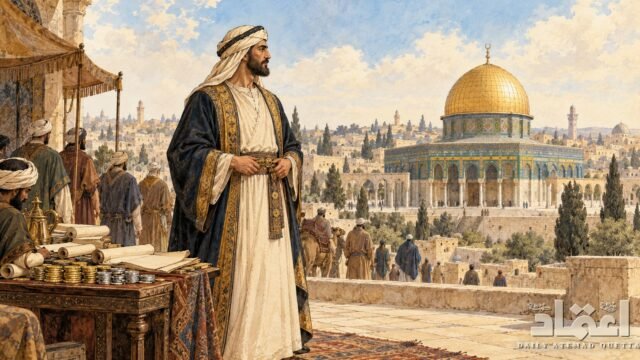 Abd al-Malik ibn Marwan: Arabic offices, new coins and the octagonal domed shrine
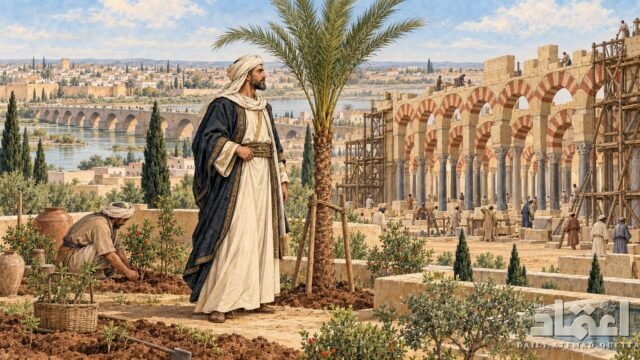 Abd al-Rahman I: the emir who founded Cordoba's Great Mosque
 Abdul Hafeez Kardar: Pakistan cricket's first captain
 Abdul Razzaq: the all-rounder who either blocked or hit
 Abel Tasman: the Dutch voyage that found Tasmania and New Zealand
 Afanasy Nikitin: the Russian merchant who travelled to India
 Ahmad ibn Majid: master navigator of the Indian Ocean