
Cloudburst floods in Gilgit-Baltistan close Karakoram Highway and several roads
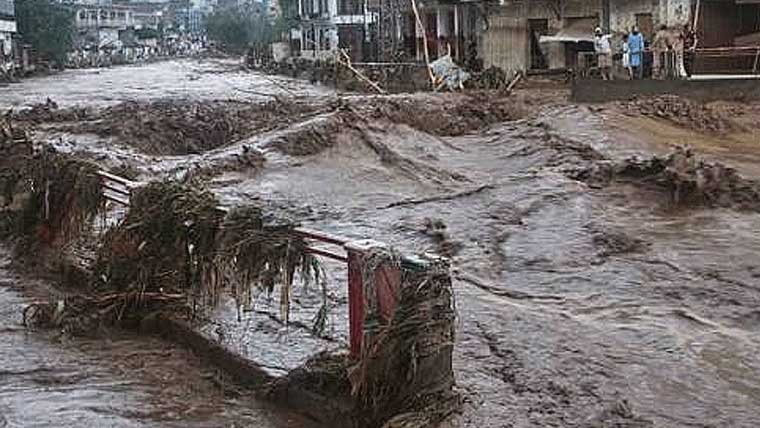
Flash floods after heavy rain damaged homes and crops in several areas of Ghizer. In Nowbahar village, a flood wave caused widespread destruction and damaged the Gach Gach Jamaat Khana. Crops, fruit trees and farmland were also destroyed.
The floods also closed the road from Amit to Birjangal. Power transmission lines along the route were damaged. The closure cut off the local population from other areas.
Residents of the affected areas have demanded that the damaged road be reopened to traffic on an emergency basis. They also asked for immediate relief for flood victims and compensation for their losses.
According to a Gilgit-Baltistan Police spokesperson, the Karakoram Highway is completely closed from Sost to Khunjerab Top because of landslides. The departments concerned are working to reopen it.
Officials have advised tourists to avoid unnecessary travel in view of the situation.
Meanwhile, according to Tourism Police, the section of the Karakoram Highway between Murtazaabad and Hassanabad villages in Hunza, which had been closed by a landslide, has been reopened to traffic.
Intermittent rain, thunder and lightning have been continuing in Gilgit-Baltistan since 1 August. Local people say they have never seen such heavy rain before.
Waseem Beigal, a resident of Gilgit, said the heavy rain and thunder spread fear among the local population.
He said he had never witnessed such intense rain and thunder in his life, but there was no damage from the rain in his area.
Continuous rain has also lowered temperatures in different parts of Gilgit-Baltistan.
According to the Diamer district administration, the first snowfall of the season was recorded at Babusar Top on Saturday morning. Traffic on Babusar Road continued as usual.
According to the Gilgit-Baltistan Disaster Management Authority, 120 flood incidents occurred in the region between June and August this year, caused by cloudbursts and melting glaciers.
The floods destroyed dozens of houses, farmland, orchards, trees, irrigation channels and roads. The power system was also damaged. Residents of many areas remained cut off from other areas for several days.
According to experts, weather conditions in Gilgit-Baltistan are changing rapidly. As a result, risks such as repeated floods, cloudbursts, rapid glacier melt, glacial lake outbursts, landslides and abnormal temperatures are increasing.
Experts say climate change has become a growing threat to the region’s already fragile ecosystem. The population of the region, which has more than 8,000 glaciers, about 300 glacial lakes and high mountains, faces severe natural disasters because of climate change.
More from Pakistan

PTI lawmakers question long march strategy, press for talks

China-Pakistan Information Corridor launched in Islamabad to boost media and cultural ties
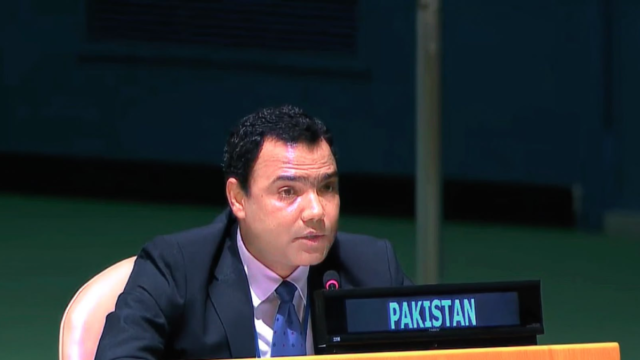
Pakistan seeks abolition or severe curbs on UN Security Council veto

Justice Ayesha Malik rejects idea that women ‘invite’ rape at launch of bench book for judges

Government and PPP agree on legislation under IMF conditions

Petrol up Rs1.54, diesel Rs2.16 per litre; new prices from 27 October

Bilawal says Sindh Assembly has put an end to new province issue

Ahsan Iqbal says Hormuz closure hits oil supply, fuel relief scheme may be widened

Nobody can predict pace of oil price rise in next 2-3 months, says Ahsan Iqbal

Govt seeks 7 to 10 more days; march in mid-November, says Hafiz Naeem ur Rehman

Hafiz Naeem meets Shehbaz Sharif, demands petroleum levy be abolished
