
Umar Khalid and Sharjeel Imam should have got bail long ago: ex-judge Dhulia

NEW DELHI: Former Indian Supreme Court judge Justice Sudhanshu Dhulia has said that Umar Khalid and Sharjeel Imam should have been granted bail long ago. He made clear that this was his personal opinion.
According to LiveLaw, Justice Dhulia was speaking at the third Sir Syed Lecture, titled “The Idea of Justice in the Indian Constitution”. He made the remark in reply to a question from a member of the audience on the independence of the judiciary. The questioner asked how the judiciary could be called independent when Umar Khalid and Sharjeel Imam were in jail, while several former judges were allegedly sent to the Rajya Sabha or made governors after delivering verdicts favouring the ruling Bharatiya Janata Party (BJP).
On the question of post-retirement appointments, Justice Dhulia said the blame could not be placed on any one government. He said it also happened under the Congress and the Janata Party, that whoever is in power makes its own people governors, and that it may have happened even more in the past.
According to reports, Umar Khalid and Sharjeel Imam have been in jail as undertrial prisoners for more than six years in the case of the alleged larger conspiracy behind the Delhi riots. According to NewsX, the Delhi High Court rejected the bail pleas of both last month. The case is based on FIR No 59/2020 of the Delhi Police Special Cell, which includes sections of the Indian Penal Code 1860 and the Unlawful Activities (Prevention) Act (UAPA). Both leaders deny the allegations.
In another question, a member of the audience asked where the idea of justice had gone if one community was not getting justice. In reply, Justice Dhulia said the people themselves are the guardians of the Constitution. He urged citizens to take an active part in politics. He said those who proudly say “I am not political” do not realise that this leads to higher inflation, wrong people coming to power and corrupt politicians emerging.
Bail does not decide whether an accused person is guilty or innocent; that is decided through legal proceedings.
More from World

Talarico accuses Musk of trying to buy Texas Senate seat for Paxton

Vucic concedes as student-backed list wins Serbian election
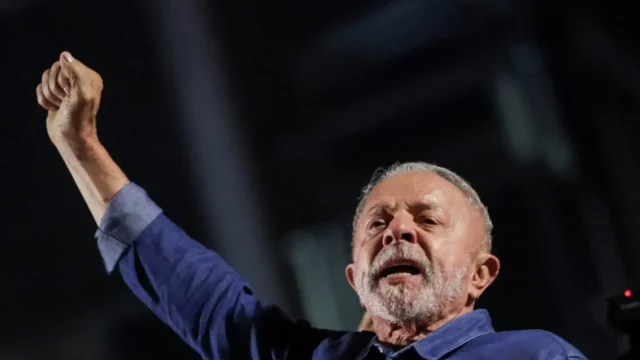
Lula wins fourth term as Brazil president, Flávio Bolsonaro refuses to concede

Pakistan, Saudi and Turkish officials meet Iranian President Pezeshkian in Tehran

Egypt’s parliament approves military support for Saudi Arabia as Houthi attacks intensify

Iran accuses US of insincerity; Baqaei says door to diplomacy remains open

Netanyahu wanted to strike Iran before election, Trump did not approve, CNN reports

86pc of Riyadh airport flights cancelled after Houthi attacks; Riyadh Air shifts operations to Qassim

Trump says Obama gave Iran billions and paved way to nuclear weapon

Araghchi says Iran’s policies will not change even if war resumes

Attack on Iran could come tomorrow, or a big deal could be reached: Trump
