
Vance’s Iran War Remarks Spark Debate in Tehran, Read as Opening or Trap

TEHRAN: Remarks by US Vice President JD Vance on the Iran war have produced a division of opinion among Iranian analysts and media outlets. Some see it as a sign of disagreement within the Trump administration, while others describe it as an attempt to trap Iran in a damaging agreement.
On Wednesday, Vance wrote on the social media platform X that voters who had backed Donald Trump in 2024 but moved to the Democrats in Tuesday’s midterm elections prioritised ending the war and reviewing relations with Israel. Mohammad Bagher Ghalibaf, Speaker of the Iranian Parliament and the chief negotiator, reposted the message and questioned the Trump administration’s war policy and its relationship with Israel.
Vienna News wrote that the statement reflects a difference in the views of US officials, but said it should not be taken as an irreconcilable disagreement between the president and vice president. Former diplomat Mohsen Zahedi Movahed called the statement very important. Ali Nasri, an analyst who supports the government, said Vance’s differences with Israel predate the electoral defeat.
Hardline journalist Parisa Nasr warned that this could be Vance’s “double game”. In her view, given the mediation of Qatar and Pakistan, Iran could be drawn into an agreement that would leave it weak in the face of a new war.
Asked on Wednesday, Trump said it was “largely accurate” to describe the war as a reason for the Republicans’ defeat. However, he defended the attack on Iran and said it was necessary to prevent Iran from acquiring a nuclear weapon.
Reports say that at the end of October Vance sent a letter to Mohsen Rezaei, Secretary of Iran’s Supreme National Security Council, proposing that comprehensive talks, including on the nuclear programme, begin immediately and expressing a wish to lead the US delegation. Rezaei said on 31 October that the letter had been received through Qatar and that no reply had been given. On 2 November, Foreign Ministry spokesman Ismail Baghaei said Tehran would judge Washington by its actions rather than the tone of its letters.
More from World

Trump Offers Democrats Talks on Immigration and Tax After Midterm Losses

Gunman in Car Kills Six, Injures 15 in Kraków Market Square
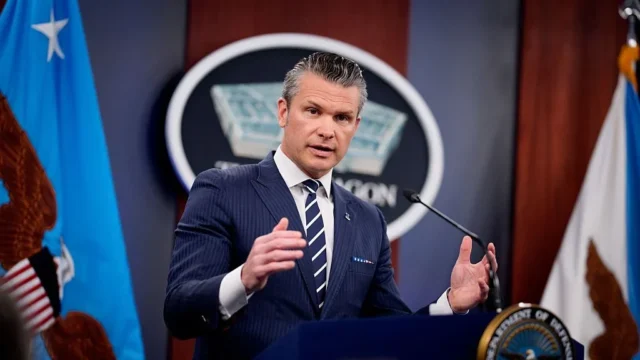
White House Denies Reports Hegseth and Rubio Will Resign After Midterm Defeat

Ulema Council Condemns Houthi Attack on Medina, Calls for Urgent Action

Ishaq Dar, Abbas Araghchi Hold Phone Call, Stress Diplomacy and Dialogue

Houthis claim missile strike on Riyadh airport as Iran warns of new attack

Over 100 Democratic Women Set to Enter US House, a First

US Military Steps Up Preparations for Possible Iran Strikes, Reinforces Middle East

Iranian official says Iran far from ceasefire deal with United States

Iran war behind midterm defeat, says US Vice President Vance
US sanctions Indian and Turkish firms and individuals over Iran links
