Rana Sanaullah Says Bilawal’s 27th Amendment Remarks Could Invite Disqualification
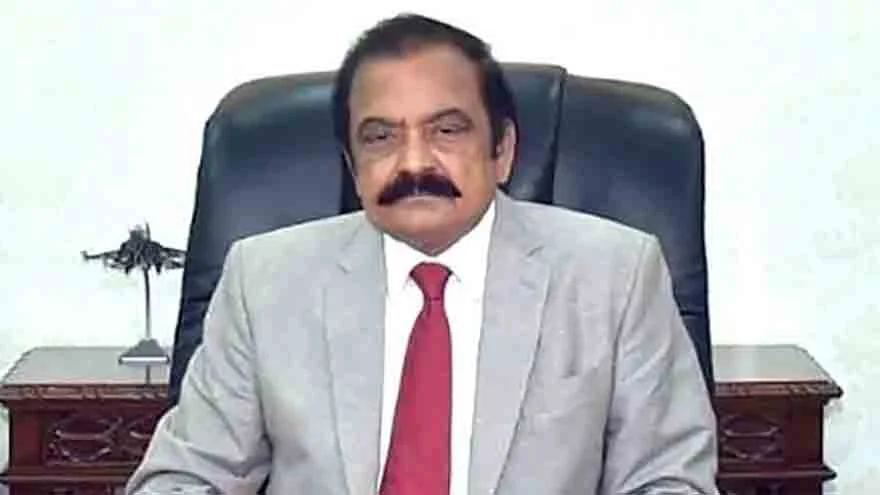
ISLAMABAD: Prime Minister’s Adviser on Political Affairs Rana Sanaullah said on Tuesday that PPP Chairman Bilawal Bhutto Zardari’s statement that the 27th Constitutional Amendment was passed under pressure could become a ground for disqualification. Citing Express Tribune, he questioned whether Bilawal meant to say that he had cast his vote under someone’s influence.
The reaction came a few hours after Bilawal addressed the Karachi Press Club, where he said the 27th Amendment was passed without political consensus and was imposed through sheer force. He said that as a result, all segments of Pakistani society no longer had confidence in the judiciary.
Speaking on the private TV programme Capital Talk, Rana Sanaullah said the PPP was part of the governing coalition, held important posts and had taken part in every stage of lawmaking, including the 26th and 27th amendments. According to him, the party had secured every single vote for the 27th Amendment, and it was now being called coercion.
He said that if any party itself stated that it had given its vote for a constitutional amendment under someone’s pressure, this amounted to disqualification. When asked by the anchor, he said such a claim raised serious questions. He advised Bilawal to listen to his speech again.
According to Rana Sanaullah, Bilawal’s statement stemmed from resentment over the issue of dividing Sindh, and the PPP has had reservations about any proposal for new provinces or the division of Sindh. He said that at a meeting at the Prime Minister’s House last week, serious discussions were held on the tensions that arose during the Gilgit-Baltistan and Azad Kashmir elections, and Bilawal had assured that the party would move forward in full reconciliation.
On the programme, Tehreek-e-Insaf leader Barrister Umair Niazi described Bilawal’s statement as an admission of what happened during the passage of the 27th Amendment. Rana Sanaullah rejected this interpretation, saying it was not an admission but a political statement made in anger.
More from Pakistan

US Supreme Court Declines to Hear Challenge to California Implicit Bias Training Rule
Work Begins on Gas Pipeline Project from Turkmenistan to Gwadar
PTI Leaders Arrested Outside Peshawar High Court in Radio Pakistan Attack Case
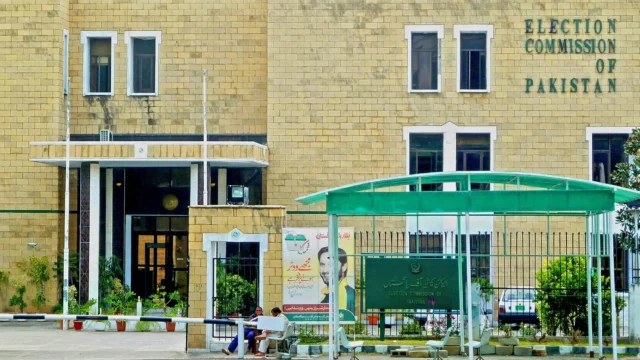
Election Commission approves two-phase Punjab local polls; first round February 7, 2027
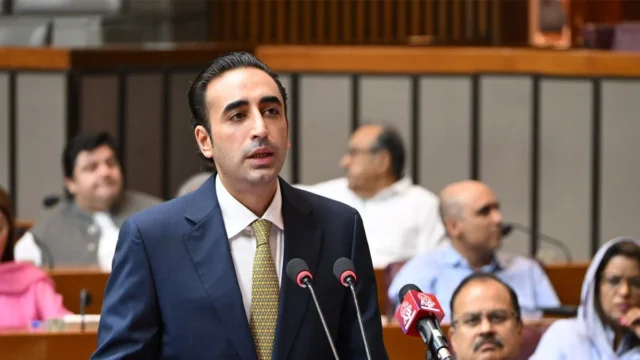
Bilawal Warns of Bloodshed in Karachi if Sindh Is Forcibly Divided

PM Shehbaz Stresses Port Capacity to Make Pakistan a Transshipment Hub

Adiala Jail: Legal Team Told to Stress Narrative, Make Tomorrow’s Hearing Chaotic

Journalists Draw Government Attention to Public Issues, Not Forced New Provinces: Bilawal
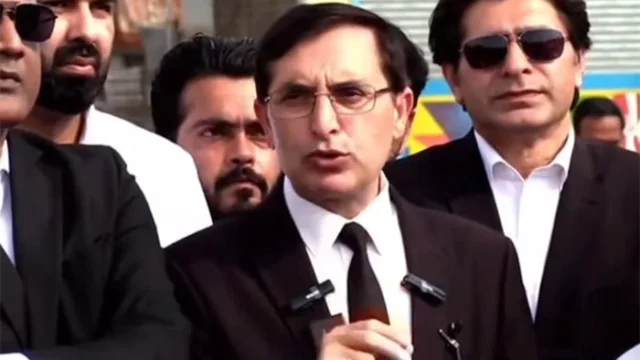
Gohar Tells Bilawal and Other Leaders to Explain How to Reset System
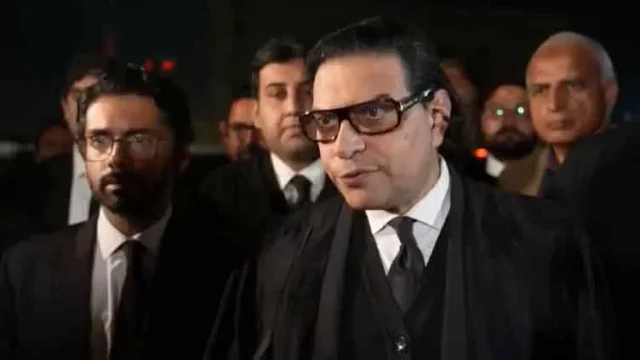
Salman Akram Raja says meeting not favour; Imran Khan’s doctors denied access
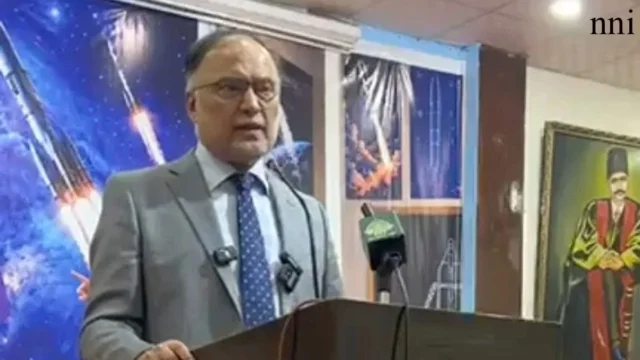
Ahsan Iqbal Says PTI Founder Seeks Relief on Health Grounds, End of Sentence