Loralai Commissioner Chairs Review Meeting on Government Revenue Collection

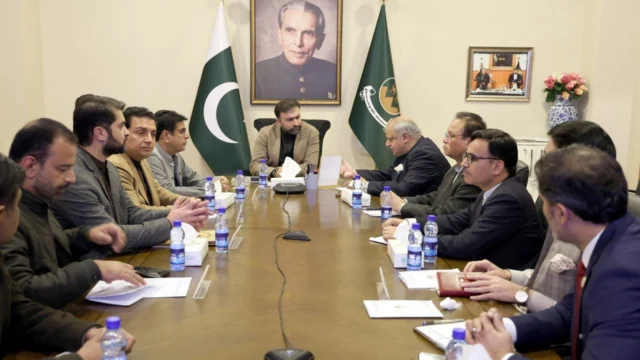
LORALAI: A key review meeting on the collection of government revenue and increasing income was held under the chairmanship of Loralai Division Commissioner Wali Muhammad Barech.
The meeting will review revenue collection, progress against set targets and the position of arrears in the division’s five districts: Loralai, Musakhel, Duki, Ziarat and Harnai. Deputy Commissioner Loralai Captain (retd) Muhammad Haseeb Shuja, Deputy Commissioner Duki Fazlur Rehman Kabdani, and the deputy commissioners of Musakhel, Ziarat and Harnai will take part.
Agenda
The agenda includes a review of total collections over the last quarter from stamp duty, abiana, ushr, transfer fees, district fees, municipal fees and capital value tax. It will also consider crop-wise inspections for the Rabi and Kharif seasons, income earned against proposed targets, and total agricultural income tax collected.
The meeting will also examine a detailed report on agricultural income tax arrears, steps taken to recover them, action under the relevant rules and regulations, and progress made so far by the district administrations. The district administrations’ future plan for improving revenue collection, boosting government income and recovering arrears effectively will also be discussed.
Commissioner Wali Muhammad Barech has directed all concerned deputy commissioners to ensure full preparation, accurate statistics and relevant records, and to attend the meeting in person, so that the revenue collection system can be made more effective and obstacles to meeting set targets can be identified and resolved.
More from Balochistan
Quetta Launches Provincial Campaign Against Gender-Based Violence With Minister Rababa Khan Balidi

Quetta Deputy Commissioner Chairs Coordination Meeting Between East and West Districts

Quetta DC chairs meeting with Martin Dow on CSR education projects
Loralai: Commissioner Wali Muhammad Barech Chairs Divisional Monitoring Committee Meeting
Loralai: Commissioner Barech Chairs Meeting on Repatriation of Illegal Foreigners
Loralai DC Chairs District Anti-Polio Committee Meeting Ahead of Campaign
Divisional Health Director Inspects Basic Health Unit in Barkhan, Reviews Vaccination Services

Sherani Deputy Commissioner Chairs Health and Education Review Meetings in Mani Khawa
Mach Holds One-Day Safety Training Workshop for Mines Managers and Foremen
Balochistan Livestock Secretary Urges Joint Action Against Antimicrobial Resistance

BLA Replaces Leader as Rehman Gul Alias Murid Named New Chief